 Reviews


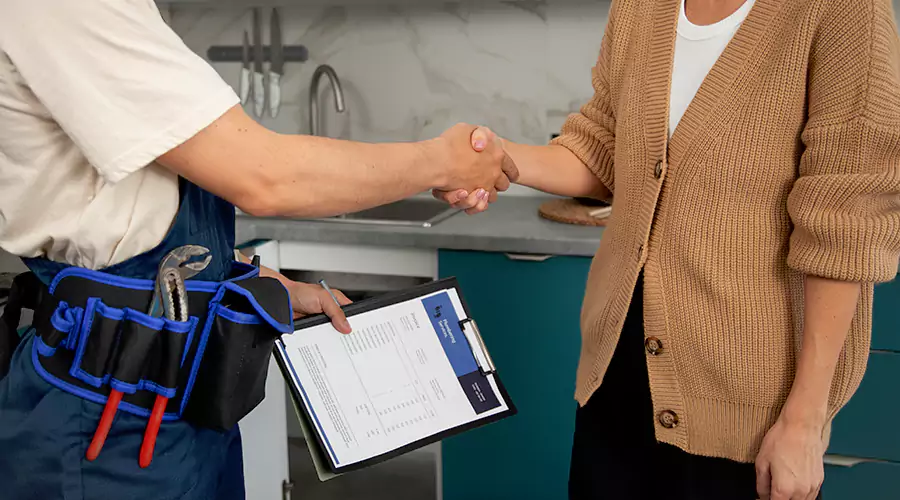
Hiring a plumber for the first time can feel uncertain. You know something needs fixing, but you have no idea what a fair price looks like. Getting overcharged is a real concern, and so is hiring someone cheap who does poor work and leaves you with a bigger problem.
Understanding plumber costs before you pick up the phone puts you in a much stronger position. You can ask the right questions, compare quotes confidently, and avoid surprises when the invoice arrives.
What Is the Average Plumber Cost Per Hour?
Plumbers in the United States typically charge between $45 and $200 per hour depending on the type of work, the complexity of the job, and your location.
Here is a general breakdown of what to expect:
| Service Level | Hourly Rate |
|---|---|
| Apprentice plumber | $45 – $90 per hour |
| Journeyman plumber | $85 – $130 per hour |
| Master plumber | $120 – $200 per hour |
| Emergency plumber | $150 – $300 per hour |
Most plumbing companies also charge a service call fee or trip charge ranging from $50 to $150 just to show up. This fee is sometimes applied toward the total cost of the job if you proceed with the repair.
Always ask about the service call fee upfront before scheduling an appointment.
Flat Rate vs. Hourly Rate: What Is the Difference?
Many plumbers today charge a flat rate rather than an hourly rate. Understanding the difference helps you know what you are paying for.
Hourly Rate Pricing
With hourly pricing, the plumber charges for every hour spent on the job plus the cost of materials including any pipe repair work that may be required.. Simple jobs that take less time cost less. Complex repairs that take several hours add up quickly.
Hourly pricing works in your favor for small, straightforward repairs. It can work against you when unexpected complications extend the job.
Flat Rate Pricing
Flat rate pricing means the plumber quotes one fixed price for the entire job regardless of how long it takes. You know the total cost upfront, which makes budgeting straightforward.
Most major plumbing companies use flat rate pricing because it is transparent and eliminates disputes over time. The downside is that flat rates are sometimes set higher than the actual hourly equivalent to cover worst-case scenarios.
Asking whether a company uses hourly or flat rate pricing before booking saves confusion later.
Average Plumbing Costs by Job Type
Knowing typical costs for common plumbing jobs helps you spot a fair quote and recognize an inflated one.
| Plumbing Job | Average Cost |
|---|---|
| Faucet repair or replacement | $150 – $350 |
| Toilet repair | $100 – $300 |
| Toilet replacement | $300 – $600 |
| Drain cleaning | $150 – $400 |
| Water heater repair | $150 – $500 |
| Water heater replacement (tank) | $800 – $1,800 |
| Water heater replacement (tankless) | $1,500 – $3,500 |
| Pipe repair (small section) | $200 – $500 |
| Pipe replacement (whole house repiping) | $4,000 – $15,000 |
| Sewer line repair | $1,000 – $4,000 |
| Sewer line replacement | $3,000 – $25,000 |
| Leak detection | $150 – $400 |
| Water softener installation | $800 – $2,500 |
| Garbage disposal installation | $150 – $400 |
| Bathroom remodel plumbing | $1,500 – $5,000 |
These figures represent national averages. Prices vary based on your city, the complexity of the job, and the plumbing company you hire.
Factors That Affect Plumber Costs
Your Geographic Location
Plumbing labor costs differ significantly across the United States. Major cities like New York, San Francisco, Los Angeles, and Chicago typically have higher labor rates than smaller towns and rural areas.
Homeowners in high cost-of-living areas should expect to pay toward the upper end of the ranges listed above. Those in smaller markets often find rates closer to the lower end.
The Type and Complexity of the Job
Straightforward repairs like replacing a faucet washer or clearing a simple drain clog cost far less than complex work like sewer line repair, whole-house repiping, or water heater installation.
Jobs that require working inside walls, under slabs, or in tight crawl spaces take longer and require more skill. That additional complexity is reflected in the final price.
Emergency and After-Hours Plumbing
Calling a plumber outside of regular business hours adds a significant premium to the cost. Emergency plumber rates typically run 50 to 100 percent higher than standard daytime rates.
Weekend calls, holiday visits, and middle-of-the-night emergencies all fall into this category. Burst pipes, major leaks, and sewage backups are situations that justify the emergency premium. Non-urgent repairs are almost always cheaper to schedule during regular business hours.
Permits and Inspections
Certain plumbing jobs require a permit from your local municipality before work can begin. Water heater replacements, sewer line work, and significant pipe replacements commonly fall into this category.
Permit fees typically range from $50 to $500 depending on the job and your location. A reputable plumber pulls the necessary permits before starting work and includes the cost in the project quote. Be cautious of contractors who suggest skipping permits to save money. Unpermitted plumbing work can create serious problems when you sell your home.
Materials and Parts
The cost of materials varies based on the quality of parts the plumber uses and current supply prices. Copper pipe costs more than PEX pipe. A premium brand faucet costs more than a builder-grade model.
Asking for a breakdown of labor versus material costs in any quote helps you understand exactly what you are paying for and where money might be saved.
Additional Fees to Watch For
Understanding common additional charges prevents billing surprises.
- Service call fee: Charged just for the plumber showing up, typically $50 to $150. Sometimes credited toward the job total.
- Minimum job charge: Some plumbers charge a minimum of one or two hours of labor even for quick fixes.
- Disposal fee: Removing and disposing of old equipment like a water heater sometimes carries an additional charge of $50 to $100.
- Subcontractor fees: Large projects may require additional tradespeople. Confirm upfront whether any subcontractors are involved and how their costs are handled.
How to Get a Fair Price From a Plumber
Always Get Multiple Quotes
Contacting at least three licensed plumbers for quotes on any job costing more than a few hundred dollars is always worth the effort. Comparing quotes reveals the fair market range for your specific job and helps you identify any outliers on the high or low end.
Ask for a Written Estimate
Getting the full scope of work and total cost in writing before any work begins protects you from unexpected charges. A written estimate should include labor, materials, permit fees, and any other anticipated costs clearly spelled out.
Verify the License and Insurance
Every plumber working in your home should carry a valid state plumbing license and liability insurance. Checking this before hiring protects you from liability if something goes wrong on the job.
Verifying a license takes about two minutes on your state contractor licensing board website. Never hire a plumber who cannot provide proof of both license and insurance.
Check Reviews and References
Reading online reviews on Google, Yelp, and the Better Business Bureau gives you a clear picture of how a plumbing company treats its customers. Look for consistent patterns in the feedback rather than focusing on a single review.
Asking a plumber directly for references from recent customers is also completely acceptable. A reputable company welcomes the question.
Understand What the Quote Includes
Asking specifically what is and is not included in any quote prevents confusion later. Find out whether the quote covers cleanup, haul-away of old materials, follow-up visits if an issue reoccurs, and any warranty on the work performed.
When Does Plumbing Work Require a Master Plumber?
Not all plumbing jobs require the same level of expertise. Routine repairs and maintenance often fall within the capability of a journeyman plumber. Larger and more complex projects typically call for a master plumber.
Master plumbers carry the highest level of licensing and are qualified to design plumbing systems, pull permits, and supervise other plumbers on a job. Major projects including whole-house repiping, new construction plumbing, sewer line replacement, and water heater installations in certain states legally require a master plumber to perform or oversee the work.
Confirming the qualification level of the plumber assigned to your job ensures the work meets local code requirements and is backed by the appropriate credentials.
Does Homeowners Insurance Cover Plumbing Costs?
Homeowners insurance sometimes covers plumbing repairs, but the specifics depend heavily on the cause of the damage and the terms of your individual policy.
Typically covered:
- Sudden and accidental water damage from a burst pipe
- Damage caused by a washing machine supply line failure
- Water damage resulting from an unexpected plumbing failure
Typically not covered:
- Gradual leaks that developed over time and were left unaddressed
- Damage resulting from lack of maintenance
- Sewer line backups without a specific sewer rider added to the policy
- Flooding from external sources
Reviewing your policy and contacting your insurance provider before beginning any significant plumbing repair helps clarify what costs may be reimbursable. A plumber can also provide documentation of the cause and scope of damage to support an insurance claim.
Tips to Reduce Your Plumbing Costs
Reducing plumbing expenses starts long before a problem appears.
Scheduling annual plumbing inspections catches small issues before they become expensive repairs. Knowing how to shut off the main water supply quickly limits water damage when a leak occurs. Avoiding chemical drain cleaners protects your pipes from long-term damage that leads to costly replacements.
For non-emergency repairs, scheduling work during regular business hours instead of evenings or weekends avoids after-hours premium rates. Bundling multiple small plumbing jobs into a single service visit also saves on service call fees by addressing everything at once.
Summary
Plumber costs in the United States range widely based on the type of job, your location, the time of day, and the experience level of the professional you hire. Most homeowners pay between $45 and $200 per hour for standard work, with emergency rates running significantly higher.
Getting multiple written quotes, verifying licenses and insurance, and understanding exactly what each quote includes puts you firmly in control of the process. Investing in preventive maintenance reduces the likelihood of expensive emergency calls and extends the life of your plumbing system overall.
Finding a trustworthy, licensed plumber and building a long-term relationship with them is one of the smartest home maintenance decisions any homeowner can make. Reliable plumbing keeps your home safe, functional, and protected from the kind of water damage that turns a straightforward repair into a serious financial setback.